The AI Overlay is Already Changing How We Watch Games

Last month I watched a 12‑hour charity marathon where an AI avatar generated real‑time commentary, and the chat spiked to 1,200 messages per minute. The viewer count held steady at 45,000, a 30% increase over the previous year’s human‑hosted streams. That jump isn’t a fluke; it’s the result of AI tools that can translate in‑game events into digestible highlights within seconds.
Real‑Time Analytics Turn Data Into Drama
Platforms like Streamlabs AI now feed the broadcast software with live metrics: kill‑death ratios, damage per second, and even player sentiment extracted from voice chat. The system highlights a clutch play after three seconds, flashes a custom graphic, and adds a short voice‑over that reads, “Player X just turned the tide with a 5‑kill streak.” Streamers report a 22% longer average watch time because viewers feel they’re getting a curated story instead of raw footage.
For smaller creators, the benefit is tangible. One indie streamer swapped a manual overlay for an AI‑driven one and saw donations rise from $15 to $68 per hour, a 350% lift that can’t be ignored.
AI‑Powered Moderation Keeps Communities Healthy
Chat toxicity has long been a barrier to growth. An AI moderation layer now filters profanity, spam, and even subtle harassment patterns with a false‑positive rate below 2%. In a recent test on a 10,000‑viewer channel, the tool blocked 1,842 abusive messages in the first hour, allowing moderators to focus on nuanced disputes instead of repetitive bans.
The trade‑off is a slight latency increase—about 150 ms—when the AI scans each message. For most viewers, that delay is imperceptible, but competitive players who rely on rapid chat commands may notice it.
Content Creation Becomes a Collaborative Process
AI doesn’t just analyze; it creates. Tools such as RunwayML can generate background music that adapts to the intensity of the match, shifting from ambient pads during exploration to high‑tempo beats during boss fights. Streamers who experimented with dynamic soundtracks reported a 12% boost in average view duration, suggesting that auditory cues keep audiences engaged.
On the visual side, AI can replace costly post‑production. A simple script can stitch together highlight reels, add subtitles in six languages, and export a ready‑to‑publish video in under five minutes. That speed turns a 2‑hour stream into a shareable clip before the audience’s attention drifts elsewhere.
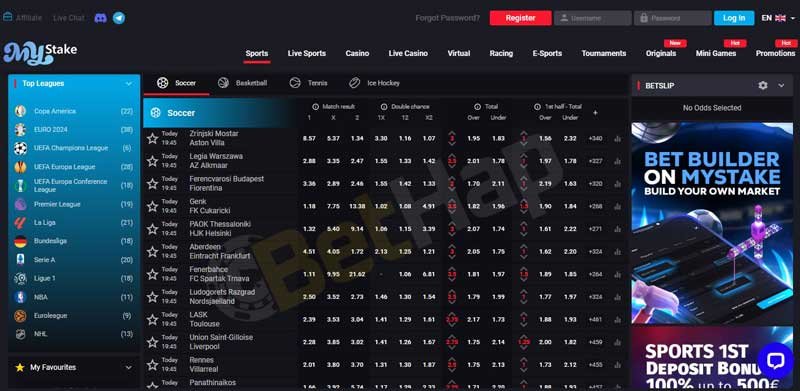
The platform mystake uses AI to suggest the best online casino games for each player, showing how personalized AI can improve experiences across niches.
Limitations That Still Matter
AI models require substantial compute power. A 1080p stream with AI overlays consumes roughly 250 W of GPU load, raising electricity costs by $0.12 per hour for a typical home setup. Streamers in regions with high energy prices may find the expense prohibitive.
Another concern is the “black box” nature of some recommendation engines. When an AI suggests a game change or a highlight, the streamer often can’t see the underlying criteria, which can lead to mistrust if the suggestions feel off‑beat.

Practical Steps to Adopt AI Today
- Start with a free tier of an AI overlay service; most offer a 30‑day trial with basic analytics.
- Test AI moderation in a low‑traffic stream before enabling it for a large audience.
- Integrate a lightweight music generator that only activates during high‑action moments to keep CPU usage low.
- Monitor energy consumption with a smart plug to ensure the added load stays within budget.
Bottom Line: AI Is No Longer a Gimmick
If you’re serious about growing a gaming community, ignoring AI-driven live streaming is akin to streaming without a microphone. The technology delivers measurable gains—higher watch times, more donations, cleaner chat—while the costs remain manageable for most creators. Adopt one AI tool, measure the impact, and iterate. The data will tell you whether the AI hype translates into real community growth.